
How to Identify Pure Wool Flannel: A Complete Buyer’s Guide
When it comes to premium fabrics, wool flannel stands out for its softness, warmth, and timeless appeal. However, with so many blended and synthetic options available in the market today, it has become challenging to identify pure Wool flannel. Whether you’re a fashion enthusiast, a textile buyer, or someone looking for high-quality winter wear, knowing how to distinguish authentic wool flannel is essential.
In this guide, we’ll walk you through practical and easy ways to identify pure Wool flannel, so you can make confident and informed purchasing decisions.
Why Choosing Pure Wool Flannel Matters
Before diving into identification techniques, it’s important to understand why pure wool flannel is worth the investment.
Pure wool flannel is breathable, naturally insulating, and incredibly durable. It adapts to temperature changes, keeping you warm in winters and comfortable in mild weather. On the other hand, synthetic blends may look similar but lack these natural properties.
That’s why learning how to identify pure Wool flannel can help you avoid low-quality fabrics and ensure long-term value
1. Check the Fabric Composition Label
The simplest way to start is by reading the label. Authentic products usually mention “100% wool” or “pure wool flannel.”
However, don’t rely solely on labels. Some manufacturers may use misleading terms like “wool blend” or “flannel finish.” These are not the same as pure wool.
So while labels help, you should always combine this with other methods to accurately identify pure Wool flannel.
2. Feel the Texture Carefully
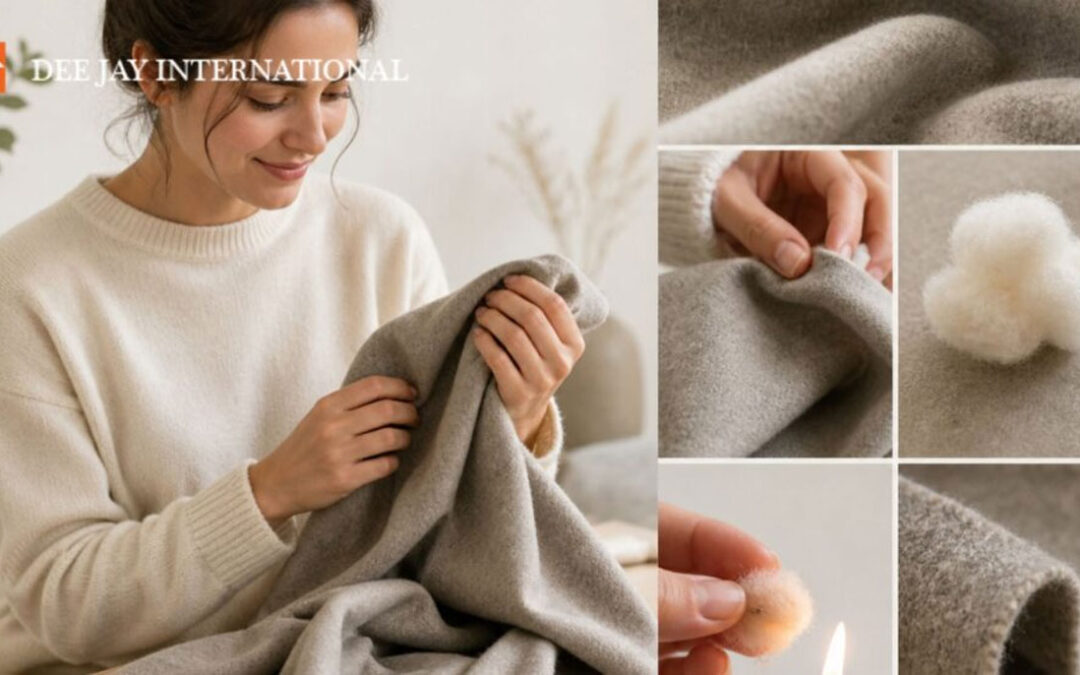
Touch is one of the most reliable indicators. Pure wool flannel has a soft, slightly fuzzy surface due to its brushed finish.
When you run your fingers across it, it should feel warm, smooth, and dense—not slippery or overly shiny like synthetic fabrics.
A natural softness without artificial smoothness is a key sign when trying to identify pure Wool flannel.
3. Perform the Burn Test (With Caution)
One of the oldest textile tests is the burn test. Take a small fiber from the fabric and carefully burn it.
- Pure wool smells like burnt hair
- It turns into ash and crushes easily
- Synthetic fibers melt and smell like plastic
This method is highly effective, but it should be done carefully. It’s a practical way to identify pure Wool flannel, especially for bulk buyers or textile professionals.
4. Observe the Weave and Finish
Wool flannel typically has a plain or twill weave with a brushed surface on one or both sides. This gives it a slightly matte and textured appearance.
Unlike synthetic fabrics, pure wool flannel does not have an overly glossy finish. Instead, it looks rich, natural, and slightly muted.
Closely inspecting the weave is another smart technique to identify pure Wool flannel.
5. Test the Warmth and Breathability
Pure wool has natural insulating properties. Hold the fabric in your hand for a few seconds—you’ll notice it warms up quickly.
At the same time, it remains breathable and doesn’t trap excessive heat or moisture.
If the fabric feels too cold, plastic-like, or non-breathable, it’s likely not pure wool. This sensory test helps you effectively identify pure Wool flannel.
6. Check for Wrinkle Resistance
Here’s a quick trick: squeeze the fabric in your hand for a few seconds and then release it.
Pure wool flannel tends to resist wrinkles and quickly returns to its original shape. Synthetic blends may remain creased or take longer to recover.
This simple test can help you identify pure Wool flannel without any special tools.
7. Look for Natural Imperfections
Unlike synthetic materials, pure wool often has slight irregularities in texture or weave. These imperfections are a sign of authenticity.
Machine-made synthetic fabrics usually appear too perfect and uniform.
So, if you notice subtle variations, it’s actually a good sign when trying to identify pure Wool flannel.
8. Water Absorption Test
Drop a small amount of water onto the fabric.
- Pure wool absorbs moisture slowly
- It doesn’t immediately soak or repel water like synthetics
This test gives you another practical way to identify pure Wool flannel, especially when shopping in-store.
9. Price as an Indicator
While price alone isn’t a guarantee, genuine wool flannel is generally more expensive than synthetic alternatives.
If a deal seems too good to be true, it probably is.
Investing in quality ensures durability, comfort, and long-term value—another reason why it’s important to identify pure Wool flannel before making a purchase.
Common Mistakes to Avoid
Many buyers unknowingly fall for marketing tricks. Here are a few mistakes to watch out for:
- Assuming all flannel is wool-based
- Trusting labels without verification
- Ignoring texture and feel
- Choosing cheaper synthetic alternatives
Avoiding these mistakes will make it easier to identify pure Wool flannel and choose the right product.
Conclusion
In today’s market filled with blends and imitations, knowing how to identify pure Wool flannel is more important than ever. From checking labels and texture to performing simple tests like burn and wrinkle checks, these methods can help you confidently distinguish authentic wool from synthetic substitutes.
Pure wool flannel is not just a fabric—it’s an investment in comfort, quality, and sustainability. By applying the tips shared in this guide, you can ensure that every purchase you make meets the highest standards.
So next time you shop for winter wear or premium textiles, take a closer look, trust your senses, and use these proven techniques to identify pure Wool flannel like an expert.