
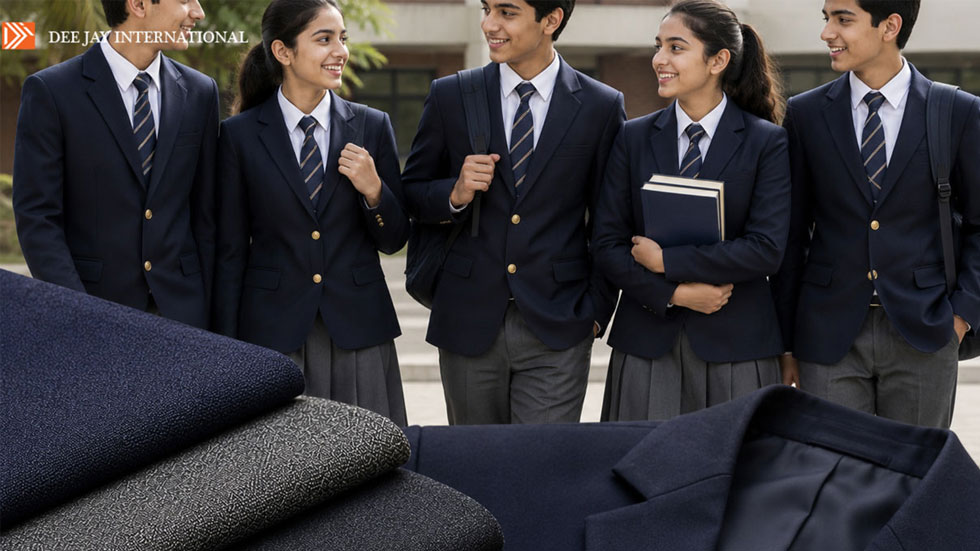
Best Fabric for School Blazers
A school blazer is more than just a part of a uniform. It represents the identity of an institution while providing students with a smart and professional appearance. Since blazers are worn regularly throughout the academic year, selecting the right fabric becomes an important decision for schools, uniform suppliers, and garment manufacturers.
The best fabric for school blazers should offer durability, comfort, easy maintenance, and an attractive appearance. A well-chosen fabric ensures that blazers retain their shape, color, and quality even after continuous use.
Why Fabric Selection Matters
Students wear blazers for long hours during classes, assemblies, events, and outdoor activities. Poor-quality materials may lose their structure quickly, become uncomfortable, or show signs of wear within a short period.
Choosing the best fabric for school blazers helps schools maintain a professional image while ensuring students remain comfortable throughout the day.
Important factors to consider include:
- Durability
- Comfort
- Wrinkle resistance
- Color retention
- Ease of maintenance
- Weather suitability
Wool Blend Fabrics: The Preferred Choice
When discussing the best fabric for school blazers, wool blend fabrics are often considered the industry standard.
Wool offers natural warmth, breathability, and a premium appearance. When blended with other fibers, it creates a fabric that is both durable and practical for everyday school use.
Benefits of wool blend fabrics include:
- Excellent shape retention
- Professional appearance
- Long-lasting performance
- Comfortable wear in different climates
- Resistance to wrinkles
Many leading schools choose wool blends because they combine elegance with functionality.
Why Durability Is Essential
School uniforms undergo frequent washing and daily wear. Students participate in various activities that place significant stress on their clothing.
The best fabric for school blazers should withstand repeated use without losing its structure or appearance. Durable fabrics help schools reduce replacement costs while ensuring uniforms continue to look presentable throughout the academic year.
Premium woven materials are widely preferred for their ability to retain their structure, durability, and polished appearance even after regular use.
Comfort Should Never Be Overlooked
A blazer may look impressive, but it must also be comfortable enough for students to wear throughout the day.
Breathability plays an important role in overall comfort. Fabrics that allow proper air circulation help prevent excessive heat buildup and improve the wearing experience.
This is one reason wool blend materials are often recommended as the best fabric for school blazers. They provide warmth during cooler months while remaining comfortable in varying weather conditions.
Appearance and Professional Presentation
A school blazer contributes significantly to the overall image of an educational institution. Crisp lines, rich colors, and structured tailoring create a polished appearance that reflects discipline and professionalism.
The best fabric for school blazers should maintain its appearance even after months of regular use. Fabrics with excellent color retention and wrinkle resistance help uniforms look neat and well-maintained.
A premium-looking blazer can leave a positive impression on students, parents, and visitors alike.
Common Fabric Options for School Blazers
Several fabric choices are available in the uniform industry. Each offers different benefits depending on specific requirements.
Wool Blend Fabrics
Popular for their durability, appearance, and comfort.
Polyester-Wool Blends
Provide excellent strength and lower maintenance requirements.
Tweed Fabrics
Suitable for institutions seeking a classic and sophisticated look.
Flannel Fabrics
Offer a softer feel and additional warmth.
Among these options, wool blends are widely regarded as the best fabric for school blazers because they balance performance, comfort, and aesthetics.
Factors Schools Should Consider Before Ordering
Before finalizing blazer fabrics, schools should evaluate several important factors:
Climate Conditions
The local climate significantly influences fabric selection. Warmer regions may require lighter-weight fabrics, while colder areas benefit from heavier materials.
Student Comfort
Uniforms should support daily activities without causing discomfort.
Budget Requirements
Schools often seek fabrics that offer long-term value rather than simply the lowest initial cost.
Fabric Quality
Investing in higher-quality materials usually results in better durability and appearance over time.
By carefully considering these factors, schools can identify the best fabric for school blazers that meets both practical and aesthetic requirements.
The Importance of Consistent Fabric Quality
For schools ordering uniforms in large quantities, consistency is essential. Every blazer should match in color, texture, and appearance.
Reliable fabric manufacturers implement strict quality control measures to ensure uniformity across production batches. This consistency helps maintain the school’s visual identity year after year.
When sourcing the best fabric for school blazers, working with an experienced manufacturer can make a significant difference in the final product quality.
Conclusion
Selecting the right blazer fabric is an investment in both student comfort and institutional presentation. Durability, comfort, appearance, and maintenance requirements should all be carefully evaluated before making a decision.
While various options are available, wool blend fabrics continue to be regarded as the best fabric for school blazers because of their ability to deliver lasting performance, professional aesthetics, and everyday comfort. By choosing high-quality materials, schools can ensure their uniforms remain smart, durable, and representative of their values for years to come.