
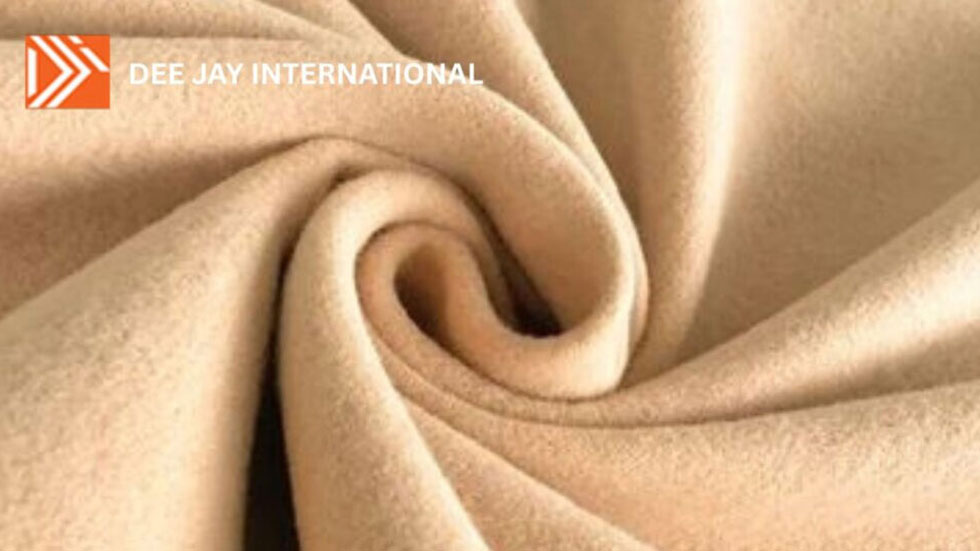
How to Choose the Right Wool Fabric for Winter Garments
Winter fashion is all about warmth, comfort, and style. One of the most trusted materials for winter clothing is wool because of its natural ability to keep the body warm even in extremely cold weather. However, selecting the right wool fabric can sometimes feel confusing because there are many types available in the market. If you want your winter garments to feel comfortable, durable, and stylish, it is important to understand how to choose the right wool fabric for winter garments.
In this guide, we will help you understand different factors that matter when selecting wool fabric, so you can make a smart choice for your winter wardrobe.
Why Wool Is the Best Fabric for Winter
Wool has been used for centuries to create warm clothing. The natural fibers trap air, which helps maintain body heat. This makes wool one of the best materials for winter jackets, coats, sweaters, and suits.
Another reason why wool is popular is that it is breathable. Unlike synthetic fabrics, wool allows moisture to escape while keeping warmth inside. This balance makes it comfortable for long wear during cold seasons.
If you are wondering how to choose the right wool fabric for winter garments, understanding the qualities of wool is the first step.
Understand Different Types of Wool Fabrics
Not all wool fabrics are the same. Different types of wool have different textures, weights, and uses. Knowing these types will help you better understand how to choose the right wool fabric for winter garments.
Some common wool fabrics include:
Merino Wool – Known for its softness and lightweight feel. It is perfect for sweaters, scarves, and thermal wear.
Tweed – A thick and durable wool fabric commonly used for coats and blazers. It provides excellent warmth and a classic winter look.
Flannel Wool – Soft and slightly fuzzy in texture. It is commonly used in winter shirts, trousers, and suits.
Melton Wool – A dense and heavy wool fabric that is ideal for winter coats and jackets because it blocks wind effectively.
Each of these fabrics has its own benefits, which is why understanding their properties is important when learning how to choose the right wool fabric for winter garments.
Check the Fabric Weight
The weight of wool fabric plays a big role in determining how warm the garment will be. Lightweight wool is perfect for layering, while heavier wool is better suited for outerwear like coats and jackets.
For example, lightweight wool works well for office wear or sweaters, whereas heavy wool fabrics provide extra insulation for extremely cold climates.
If your goal is to understand how to choose the right wool fabric for winter garments, always consider the climate and the purpose of the clothing before selecting the fabric weight.
Look at the Fabric Texture and Comfort
Comfort is one of the most important factors when selecting wool fabric. Some wool fabrics can feel rough on the skin, while others are extremely soft and smooth.
Merino wool, for example, is known for being soft and gentle, making it ideal for garments worn directly on the skin. On the other hand, heavier fabrics like tweed may feel slightly coarse but are excellent for outerwear.
When thinking about how to choose the right wool fabric for winter garments, make sure to check how the fabric feels because comfort plays a big role in daily wear.
Consider Durability and Quality
High-quality wool fabric lasts for many years if maintained properly. Good wool fabric should feel dense, strong, and well-woven. It should not easily lose its shape or develop loose fibers.
Premium wool fabrics often come from trusted manufacturers who follow proper weaving and finishing processes. This ensures the fabric retains its warmth, structure, and appearance over time.
Durability is another important factor to remember when learning how to choose the right wool fabric for winter garments, especially if you want your clothing to last for multiple winter seasons.
Pay Attention to Wool Blends
Many winter fabrics are not made from pure wool. Instead, they are blended with fibers like polyester, nylon, or cashmere. Wool blends can offer several advantages, such as improved durability, reduced cost, and easier maintenance.
For example, wool blended with nylon can make the fabric stronger, while wool mixed with cashmere adds extra softness and luxury.
Understanding fabric blends is another helpful step in mastering how to choose the right wool fabric for winter garments, because blends can sometimes perform better than pure wool in everyday clothing.
Check Maintenance Requirements
Before buying wool fabric or garments, it is important to check how they should be maintained. Some wool fabrics require dry cleaning, while others can be gently hand washed.
Choosing wool that fits your lifestyle will make winter clothing easier to care for. If you prefer low maintenance garments, look for wool blends or specially treated wool fabrics.
Maintenance is often overlooked, but it is an important factor when deciding how to choose the right wool fabric for winter garments.
Match the Fabric With the Garment Type
Different winter garments require different types of wool fabric. For example:
- Sweaters and thermals need soft and lightweight wool
- Coats and jackets require thick and dense wool
- Suits and trousers need smooth and structured wool
Selecting the correct fabric according to the garment style ensures both comfort and functionality.
This practical approach helps you better understand how to choose the right wool fabric for winter garments when planning your winter wardrobe.
Final Thoughts
Wool remains one of the most reliable fabrics for winter clothing because of its warmth, durability, and timeless style. However, selecting the perfect wool fabric requires attention to several factors such as fabric type, weight, texture, durability, and maintenance.
By understanding these aspects, you can easily decide how to choose the right wool fabric for winter garments and ensure that your winter outfits are both comfortable and stylish.