
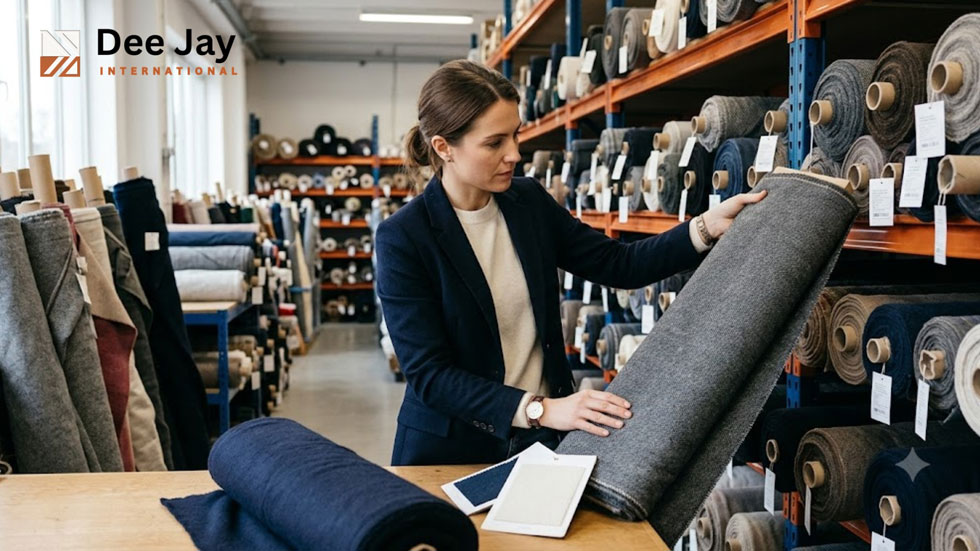
How to Choose a Reliable Wool Fabric Supplier
The quality of a finished garment begins long before the first stitch is made—it starts with selecting the right fabric supplier. For apparel brands, exporters, wholesalers, uniform manufacturers, and fashion houses, sourcing superior wool textiles is a strategic decision that directly influences product quality, brand reputation, and customer satisfaction.
As the global textile industry continues to evolve, buyers are no longer looking solely for competitive pricing. They seek manufacturing partners capable of delivering exceptional craftsmanship, consistent quality, ethical production practices, and dependable service. Understanding How to Choose a Reliable Wool Fabric Supplier is therefore essential for businesses that aim to establish a strong market presence while maintaining uncompromising quality standards.
India has emerged as one of the world’s most respected destinations for premium wool textiles. Manufacturers such as Dee Jay Wooltex have strengthened the country’s reputation by combining decades of textile expertise with advanced manufacturing technologies to supply world-class wool fabrics to domestic and international markets.
Choosing the right sourcing partner requires careful evaluation of quality, manufacturing expertise, and long-term reliability. Businesses that understand How to Choose a Reliable Wool Fabric Supplier are better positioned to maintain consistent product standards, strengthen customer trust, and build a resilient supply chain that supports sustainable business growth.
Why Selecting the Right Wool Fabric Supplier Matters
Choosing a wool fabric supplier is far more than a purchasing decision—it is the foundation of a successful textile business. A dependable supplier contributes significantly to product consistency, production efficiency, and long-term profitability.
Premium wool fabrics influence every aspect of garment manufacturing, including durability, comfort, appearance, and overall customer experience. Inferior fabrics often lead to production challenges, increased rejection rates, customer complaints, and unnecessary financial losses.
A trusted supplier ensures that every production batch meets strict quality standards while maintaining consistency in colour, texture, weight, and finish. This reliability enables fashion brands and garment manufacturers to confidently meet customer expectations and strengthen their market reputation.
For businesses evaluating How to Choose a Reliable Wool Fabric Supplier, consistency should always be considered one of the most valuable characteristics.
One of the most effective ways to understand How to Choose a Reliable Wool Fabric Supplier is by reviewing the manufacturer’s quality assurance process. A supplier that follows rigorous inspection standards at every stage of production is more likely to deliver fabrics that meet international quality benchmarks and customer expectations consistently.
Assess the Manufacturer’s Industry Expertise
Experience remains one of the strongest indicators of manufacturing excellence. A company with decades of experience understands the complexities involved in wool processing, weaving, dyeing, finishing, and quality assurance.
Established manufacturers possess the technical knowledge required to produce fabrics suitable for diverse applications, including:
Premium Suiting Fabrics
Designed for luxury formalwear, business suits, and premium tailoring.
Wool Tweed Fabrics
Widely preferred for jackets, blazers, fashion collections, and heritage-inspired apparel.
Melton Wool Fabrics
Engineered for superior durability and commonly used in overcoats, military garments, and winter outerwear.
Wool Flannel Fabrics
Renowned for their softness, warmth, and refined appearance, making them suitable for premium winter collections.
Manufacturers with specialised expertise can also provide valuable recommendations regarding fabric composition, GSM, finishing techniques, and custom developments based on specific market requirements.
Evaluate Manufacturing Infrastructure
Modern textile production depends heavily on advanced machinery, efficient manufacturing systems, and rigorous quality control processes.
Before selecting a supplier, buyers should evaluate the manufacturer’s production capabilities.
Important aspects include:
Advanced Weaving Technology
Modern weaving equipment ensures greater precision, fabric uniformity, and production efficiency.
In-House Dyeing and Finishing
Manufacturers with integrated dyeing and finishing facilities maintain better quality control while offering customised colours and finishes.
Scalable Production Capacity
Whether sourcing limited collections or large commercial orders, the supplier should possess sufficient manufacturing capacity to fulfil requirements without compromising quality.
For international buyers, manufacturing capability directly impacts delivery schedules and supply chain reliability.
Product Diversity Reflects Manufacturing Excellence
An experienced wool textile manufacturer should offer a comprehensive portfolio capable of serving multiple industries and customer segments.
A diversified collection demonstrates technical capability while allowing buyers to source multiple fabric categories from a single trusted partner.
An established manufacturer typically offers products such as:
- Wool Tweed Fabric
- Melton Wool Fabric
- Wool Flannel Fabric
- Wool Felt
- Bouclé Fabric
- School Blazer Fabric
- Overcoat Fabrics
- Wool Blend Fabrics
- Fashion Wool Textiles
This versatility enables designers, wholesalers, exporters, and apparel manufacturers to simplify procurement while maintaining consistent quality standards.
Furthermore, suppliers capable of developing customised fabric blends provide significant value to brands seeking product differentiation within competitive markets.
Commitment to Quality Assurance
One of the defining characteristics of a premium wool fabric manufacturer is a comprehensive quality assurance system.
Every stage of production should undergo detailed inspection, beginning with raw material selection and continuing through weaving, dyeing, finishing, packaging, and final dispatch.
Professional manufacturers typically perform extensive quality evaluations covering:
- Fibre composition
- Fabric strength
- Colour fastness
- Dimensional stability
- Surface finish
- Weaving consistency
- Shrinkage resistance
This meticulous approach ensures that buyers receive fabrics capable of meeting international performance standards while reducing manufacturing defects and customer returns.
For businesses researching How to Choose a Reliable Wool Fabric Supplier, quality assurance should never be viewed as optional—it represents one of the most important indicators of supplier reliability.
Conclusion
For fashion brands, exporters, and garment manufacturers, learning How to Choose a Reliable Wool Fabric Supplier is a long-term investment rather than a one-time purchasing decision. Establishing a partnership with an experienced manufacturer ensures access to premium wool fabrics, dependable production schedules, and continuous technical support as market demands evolve.
Understanding How to Choose a Reliable Wool Fabric Supplier is essential for businesses that value quality, consistency, and long-term success. The right supplier should offer advanced manufacturing capabilities, stringent quality control, a diverse range of premium wool fabrics, and the flexibility to meet custom requirements while ensuring timely deliveries. These factors not only enhance the quality of your products but also strengthen your brand’s reputation in a competitive textile market.
When evaluating potential partners, prioritize manufacturers with proven industry experience, modern production facilities, global export expertise, and a commitment to sustainable manufacturing practices. Building a long-term relationship with a trusted supplier ensures a stable supply chain, consistent fabric quality, and greater confidence in every production cycle.
Recent Comments